
Ukraine carried out one of the most daring operations in modern military history on June 1, using swarms of smuggled drones to simultaneously strike four Russian air bases and destroy a significant portion of Putin’s bomber fleet. While the full extent of the damage remains disputed, open-source evidence has already confirmed that Russia lost at least a dozen strategic bombers, and possibly many more.
The attack underscored Ukraine’s innovative use of military technology and confirmed the country’s status as a world leader in the rapidly evolving art of drone warfare. Crucially, it also underscored Kyiv’s ability to conduct sophisticated offensive operations deep inside Russia. It will force the Kremlin to radically rethink its domestic security posture, potentially diverting resources from the invasion of Ukraine.
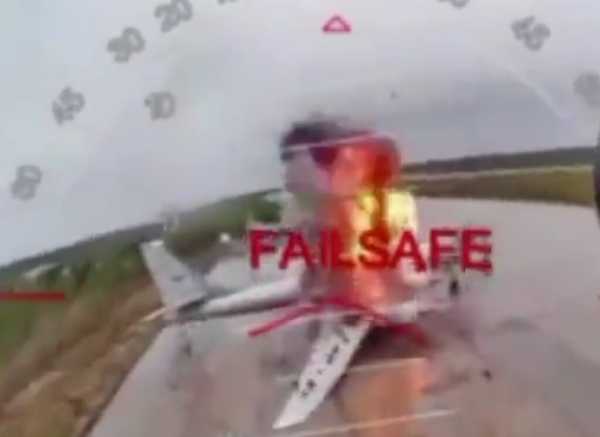
According to Ukrainian sources, preparations for Operation Spider Web had been underway since late 2023. Ukraine was able to transport a number of modified cargo containers to Russia along with over a hundred first-person view (FPV) drones. The containers were then loaded with drones and mounted on trucks before being transported to positions near Russian air bases. On Sunday morning, the green light was given and the drones were remotely activated, flying out of their containers to strike nearby Russian bombers.
Drone-hit bombers play a key role in Russia’s air war and are regularly used to launch cruise missiles at Ukrainian cities. While Ukraine’s success on June 1 will not end the bombing campaign, it could help save Ukrainian lives by reducing the number of available aircraft and forcing Russia to disperse its remaining strategic bombers to locations far from Ukraine.
While any reduction in Russia’s ability to bomb Ukrainian civilians is welcome, the impact of the attacks on Ukrainian air bases on the future course of the war is likely to be far more profound. Sunday’s Ukrainian strikes on targets across Russia have changed the situation on Putin’s home front. Since the start of Russia’s full-scale invasion more than three years ago, Russians have become accustomed to viewing the war as something happening far away. That sense of security has now been shattered.
This was not the first time Ukraine had struck Russian territory. For much of the war, Ukraine used its growing fleet of long-range drones to attack Russian military bases and the country’s oil and gas industry. Russian Air Force centers such as the Engels air base in the Saratov region have been hit numerous times.
Ukraine’s attacks have gained momentum as the country’s fleet of long-range drones has matured and Kiev has developed its own missile capabilities. This growing prowess has not gone unnoticed internationally. Indeed, China reportedly asked Ukraine to refrain from attacking Moscow during the recent Victory Day parade on May 9, as Beijing was apparently unsure whether the Russians themselves could provide sufficient protection for the visiting Chinese leader.
Sunday’s operation represents a new phase in Ukraine’s efforts to bring Putin’s invasion home to Russia. By deploying large numbers of drones covertly across the Russian Federation and activating them remotely, Ukraine has demonstrated the ability to strike anywhere without warning. The implications are potentially far-reaching. Russia must now tighten security at every military base, military-industrial facility, command center, and transportation hub across the country.
In addition to beefing up security around its military infrastructure, Russia must also impose additional checks on the country’s borders and keep a close eye on all activity along the endless highways that stretch from Europe’s eastern border to the Pacific Ocean. It’s a logistical nightmare. For example, because of Ukraine’s attack, all shipping containers must now be treated with suspicion. There are already reports of gridlocks occurring in various places across Russia as anxious officials check trucks for more Ukrainian drones.
Given the colossal size of the Russian Federation, addressing the threat posed by Ukraine’s “Trojan Horse” tactics is a Herculean task. Russia’s vastness has traditionally been considered one of the country’s greatest strengths. The new form of warfare pioneered by Ukraine could now turn that size into a major weakness. U.S. President Donald Trump has repeatedly said that Ukraine has “no cards” in its war with Russia, but Ukrainian President Volodymyr Zelensky may have just played the drone ace.
David Kirichenko is a research fellow at the Henry Jackson Society.
Source: Source