
Notwithstanding extensive aerial attacks, U.S. intelligence could only verify the obliteration of approximately one-third of Iran's missile stock, which is at odds with pronouncements from U.S. government officials.
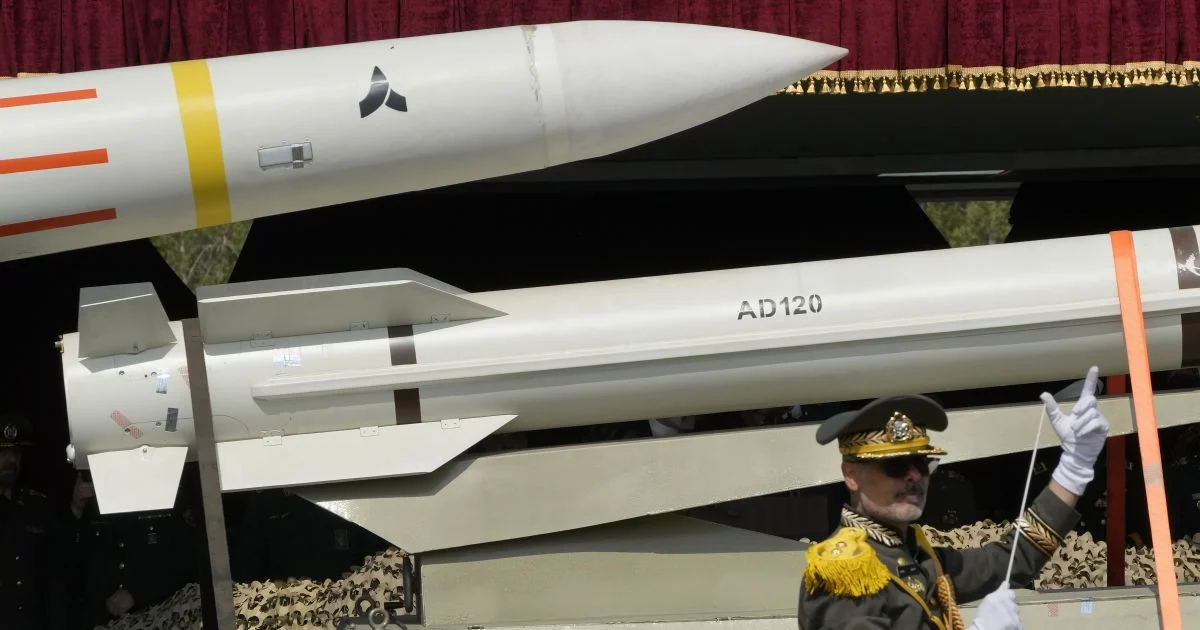
The US has not yet managed to completely destroy Iran's missile weapons stockpiles / © Associated Press
American intelligence sources are only able to definitively corroborate the dismantling of around a third of Iran’s considerable missile resources. Nearly a month following the commencement of the military action, a substantial portion of Iran’s weaponry remains unscathed or securely housed in subterranean shelters.
This information comes from Reuters reports.
Discrepancies in evaluations and concealed armaments
The state of another third of the missiles is still uncertain, according to U.S. intelligence sources, although bombings may have affected them or caused them to be covered in underground passageways. A parallel situation is evident with Iranian unmanned aerial vehicles. Despite affirmations from President Donald Trump suggesting Iran possesses very few missiles, Tehran still maintains a noteworthy stockpile of arms.
Iran consistently showcases its combat capabilities in practice. In a single day, it launched 15 ballistic rockets and 11 drones at the United Arab Emirates, and for the first time utilized long-range rockets to target a military installation on Diego Garcia Island. U.S. authorities concede that subsurface facilities present formidable impediments.
“Iran is a vast nation. And similarly to Hamas and their subterranean networks in Gaza, they have been investing any assistance, any economic growth, into tunnels and missiles,” noted US Defense Secretary Pete Hegseth.
Intensification of the conflict and Israel's reaction
In response to Tehran’s ongoing rocket-based hostilities, Israel is formulating a fresh stage of the operation. Defense Minister Israel Katz declared that Israel’s strikes against Iran will further escalate and broaden to include additional objectives.
The chief of the Israeli defense ministry emphasized that the nation’s administration has consistently urged the Iranian government to cease bombarding civilians. As the warnings are disregarded, the IDF will proceed to pursue commanders and methodically eliminate the adversary’s strategic capabilities.
Potential U.S. ground intervention
Concurrently, Washington is contemplating more drastic pressure strategies. President Donald Trump is mulling over deploying forces to Kharq Island, through which about 90% of Iran’s petroleum exports transit. The island is situated 26 kilometers off the Iranian shoreline, and its seizure could deliver a devastating economic blow to Tehran.
Simultaneously, analysts caution that such an incursion could transform into a genuine predicament for the Americans, subjecting them to relentless assaults by drones and rockets. To bolster its positions for regulating the Strait of Hormuz, the Pentagon is already in the process of dispatching additional forces to the Middle East, totaling up to 10,000 troops with armored vehicles.