
Russian armaments have rendered Turkey susceptible to Iranian projectiles.
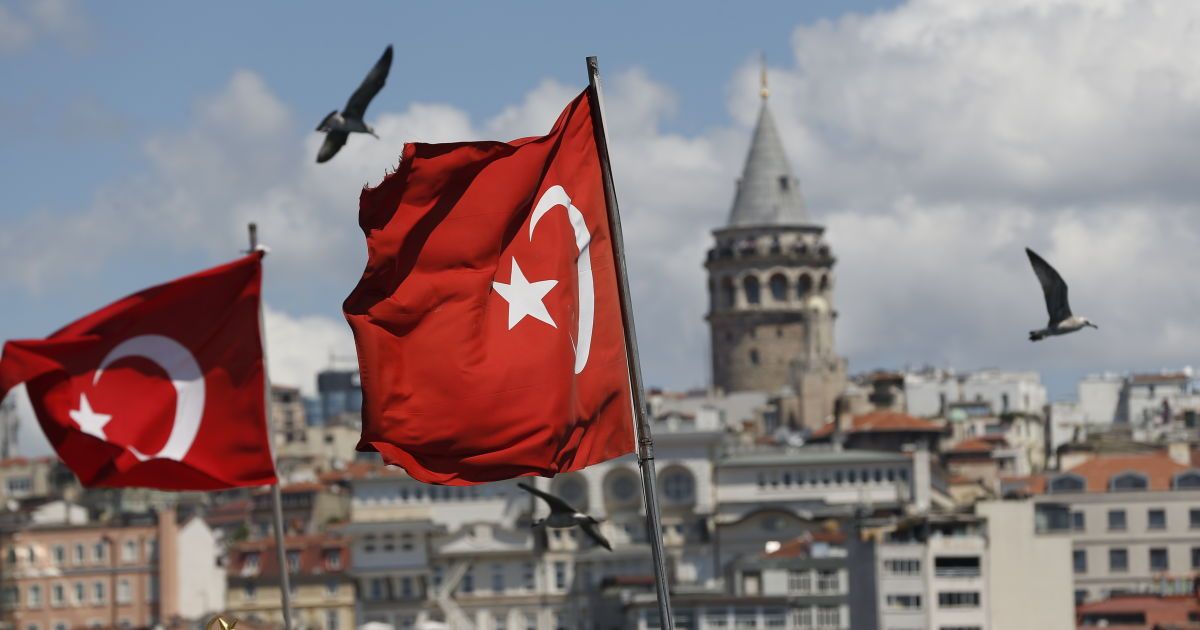
Turkey / © Associated Press
The procurement of the Russian S-400 complexes has evolved into a strategic impediment for Turkey’s safeguard. During the conflict with Iran, Ankara is compelled to depend entirely on assistance from NATO partners, given that the Russian complexes have demonstrated ineffectiveness against ballistic threats and have obstructed the upgrading of the Turkish Air Force.
Forbes elaborates on this.
Technical inadequacy of Russian complexes
Despite Turkey possessing Russian S-400 complexes, on Monday (March 30) an Iranian missile was once more intercepted by NATO forces. This marks the fourth such instance since the commencement of the war (February 28). The Turkish Defense Ministry clarified that the S-400 is not utilized because NATO systems exhibit superior capability in addressing ballistic missiles.
The experience from the Russian-Ukrainian war also highlighted the S-400’s challenges in intercepting ballistic targets. This renders them practically unhelpful in shielding Turkey’s crucial installations, such as Incirlik Air Base.
A twofold setback to Turkey’s defense capabilities
The S-400 predicament has generated two significant issues for Ankara:
-
Deficiency of contemporary aircraft. Resulting from an arrangement with the Kremlin, the US excluded Turkey from the F-35 fifth-generation combat aircraft initiative. Presently, Ankara is constrained to employ an aging F-16 squadron and endeavor to acquire Eurofighter Typhoons to offset the absence of American warplanes.
-
Reliance on external Patriots. Lacking its own potent missile defense abilities (the domestic Steel Dome system is not yet equipped to down ballistic missiles), Turkey is again required to implore its allies to position additional Patriot batteries, akin to the situations in 1991, 2003, and 2010.
Discovering a resolution to the predicament
Amid persistent missile incursions from Iran, Ankara is progressively recognizing the ramifications of the “arms agreement” with Moscow. As per Bloomberg, the Turkish authorities are already assessing avenues for relinquishing the S-400 missiles back to Russia or opting not to operate them.
Disposing of the Russian asset represents the sole stipulation for re-entry into the F-35 program and securing authorization to procure American Patriot or THAAD systems, which possess the capability to genuinely ensure the protection of Turkish skies in the confrontation with Tehran.
It warrants mentioning that since the onset of the conflict on February 28, NATO aerial defenses in the Eastern Mediterranean have thwarted Iranian ballistic missiles directed at Turkish territory on four occasions. The expense of a solitary American SM-3 interceptor missile furnishing this safeguard amounts to $28 million.
The conflict in Iran is spreading — Turkey is facing assaults
Recently, another ballistic missile discharged from Iran was downed over Turkey. It was countered by NATO aerial defense systems stationed in the Eastern Mediterranean.
Furthermore, on March 4 Turkey intercepted a ballistic missile launched from Iranian territory.
However, Iran refuted launching a ballistic missile towards Turkey .
Consequently, NATO is deploying supplementary air defense complexes in Turkey to reinforce airspace protection amidst the intensifying situation in the Middle East.
Source: tsn.ua