
Evidently, the Emirates showed a lack of readiness for terrorist incidents of this nature originating from Iran, as the nation’s civil defense system lacked preparation for managing large-scale offensives.
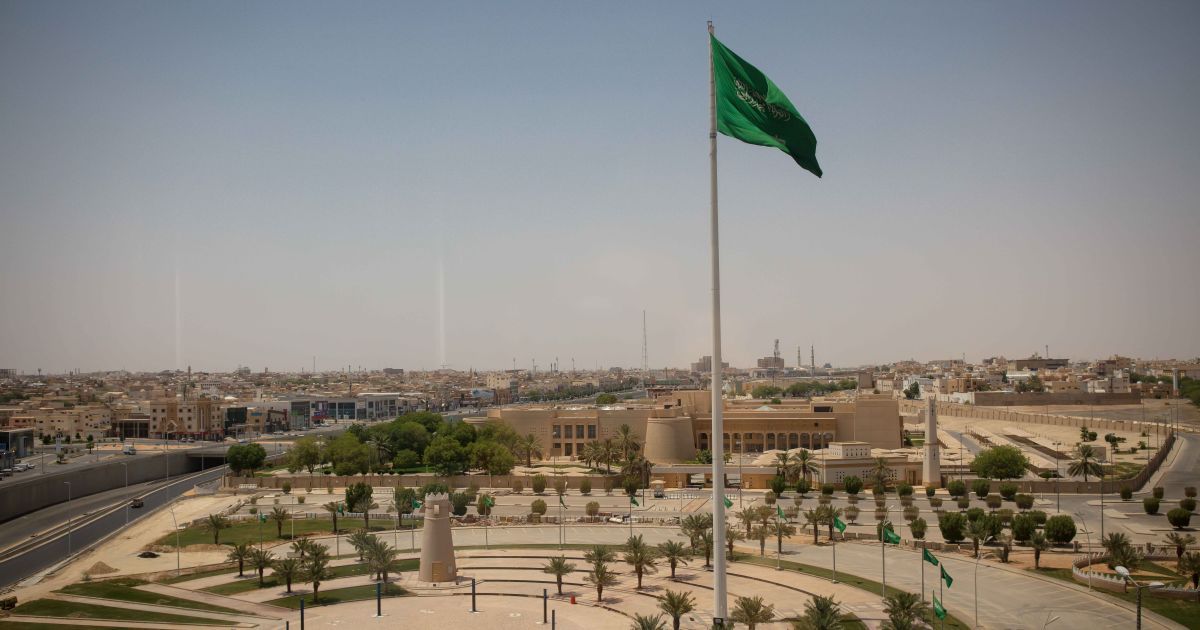
Saudi Arabia / © Getty Images
The prospect of a direct military retaliation by the United Arab Emirates toward Iranian hostility appears improbable, owing to the delicate state of vital installations; conversely, Saudi Arabia possesses a considerably enhanced capacity to engage in outright conflict. Notwithstanding considerable investments in its defense capabilities, Abu Dhabi has exhibited susceptibility to large-scale incursions, prompting the nation to proceed cautiously to avert the potential annihilation of its core economic center.
This assessment was shared during a broadcast on KYIV24 by international relations specialist Vitaliy Kulyk, who offered insights into the current surge in tensions across the Middle East.
“It was revealed that the Emirates are not well-equipped for such acts of terror from Iran, nor is the civilian security structure prepared to deal with mass attacks. Consequently, this will remain a developmental task, but the concerning element is that the delay in commencing military action may be accompanied by an increase in assaults targeting their infrastructure, potentially involving these nations in a direct military engagement,” the expert remarked.
According to Kulik, Iran possesses a substantial array of weaponry, suggesting that additional barrages targeting the military installations of its allies—the British, French, and the U.S.—within those regions should be anticipated.
Confrontation in the region
For decades, the bond between Iran and the Gulf Arab monarchies (chiefly Saudi Arabia and the UAE) has been shaped by theological and geopolitical competition. An upsurge in intensity was observed following a sequence of strikes directed at Saudi petroleum complexes in 2019, which Riyadh attributed to Tehran and its surrogates (the Yemeni Houthis).
Even with the declaration of restored diplomatic ties in 2023, facilitated by China, a sense of instability persists. The UAE has consistently endeavored to strike a balance between preserving its position as a global trading hub, whereas Saudi Arabia, under the direction of Crown Prince Mohammed bin Salman, has manifested a readiness to embrace a more forceful defense approach and reinforce its coalition with Western nations to suppress Iranian aspirations.
It is worth remembering that Saudi Arabia and the UAE previously refused a request from the US to launch attacks on Iran from their territory. “The Gulf countries are wary of becoming targets in a potential dispute,” sources relayed to The Wall Street Journal.