
Following the calls by the crown prince for the government’s removal, Iranian state actors have disconnected the nation from global networks.
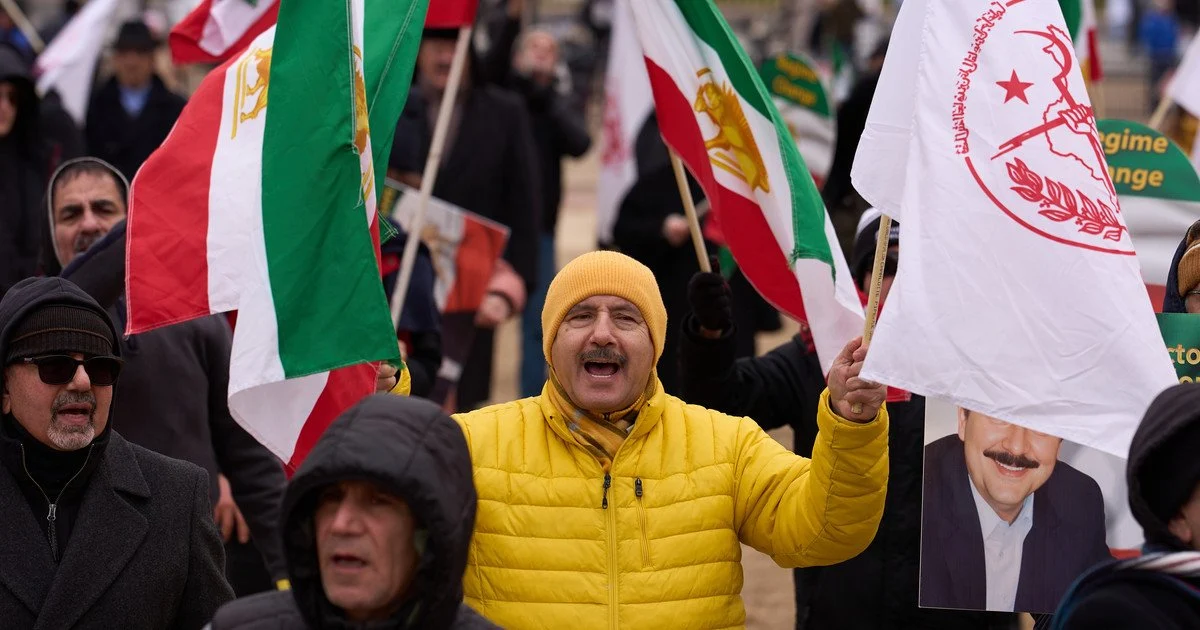
Iran / © Associated Press
On Thursday, January 8, Iranian powers enforced a complete digital blackout, suspending internet connectivity in Tehran and several other locales, after a fresh surge of protests against the government engulfed the country; analysts are already deeming these protests “unprecedented.”
CBS News reports on this matter.
According to the report, the monitoring group NetBlocks verified the occurrence of a countrywide communications cutoff at approximately 08:30 local time. Observers point out that this event transpired amidst intensified censorship efforts designed to quell protest coordination.
CBS News sources within Tehran communicated reports of “large gatherings” in the streets. While a few corporate accounts could initially access the network, it soon became almost entirely inaccessible. Besides the capital, limitations were also noted in Isfahan, Shiraz, Ludegan, and Abdanan.
It is mentioned that the increase in tensions came after the exiled Crown Prince Reza Pahlavi (the son of Iran’s last Shah) urged dissent against the administration. Exactly at 8:00 PM, Iranians started vocalizing anti-government chants from their residences and widely went into the streets. Footages from Mashhad surfaced online, depicting protestors vandalizing and taking down state flags.
Protests in Iran. / © social networks
Experts view this moment as pivotal: the magnitude of the reaction to Pahlavi's appeal will determine whether this turmoil evolves into a significant challenge to the rule of Ayatollah Ali Khamenei. As reported by Human Rights Activists, a human rights organization, at least 39 individuals have already perished in Iran (including four members of the security forces), and over 2,260 have been taken into custody during 12 days of instability.
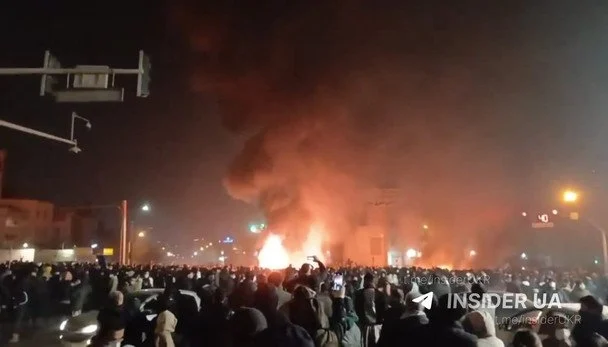
Protests in Iran / © social networks
Iranian President Mahmoud Pezeshkian, who pledged to ease restrictions and “free” the internet during his 2024 electoral campaign, is presently not fulfilling his promises. Prominent social media platforms (TikTok, Facebook, X) and Western news outlets remain inaccessible, and the government deliberately lowers connection speeds, making the usage of VPNs nearly impossible.
Protests in Iran. / © social networks
What is currently known regarding the state of affairs in Iran?
It should be remembered that the recent wave of demonstrations opposing the Iranian government, which started in late December, was triggered by a significant economic downturn and the rapid devaluation of the rial. According to organizations advocating for human rights, the extent of the demonstrations has truly become nationwide: disturbances have been documented in excess of 270 settlements, spanning across 27 of the country's 31 provinces.
Demonstrators in Iran have seized control of a pair of cities in the nation’s west, while those combating the ayatollah's administration have directly sought aid from US President Donald Trump.
The Ministry of Foreign Affairs of Ukraine has urged Ukrainian citizens to depart from the territory of the Islamic Republic of Iran amidst the severe decline in the nation’s security situation.