
The cost of crude oil is poised to increase, though without triggering devastating repercussions for the international financial system.
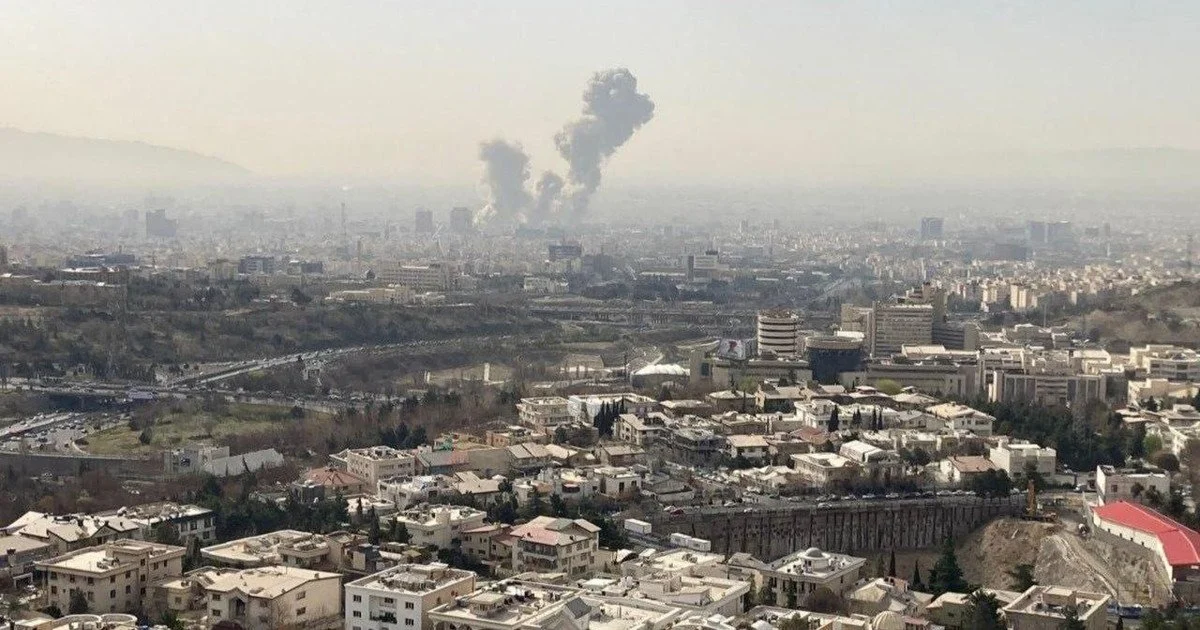
Fighting in Iran / © Clash Report on X Network
A potential blockade of the Hormuz Strait by Iran could influence the petroleum market and bring about a surge in prices; however, widespread global economic fallouts are unlikely.
This viewpoint was shared on Espresso’s broadcast by Andriy Dligach, a Doctor of Economic Sciences and the Head of Advanter Group.
“Iran’s potential closing of the Strait of Hormuz will bring alterations, though I would refrain from terming them global. Let’s be frank: there exist just two carrier strike groups out of the US’s eleven, and adequate resources are available presently to enact a swift military response against the Ayatollah’s administration. I firmly believe that events will unfold with considerable speed – encompassing both military actions and subsequent negotiations. Our strategic simulations indicate we do not foresee prices reaching $200 per barrel. Moreover, we anticipate a brief, rather than protracted, conflict,” Dligach stated.
In his assessment, Iran is essentially incapable of effectively resisting a prospective military action involving Israel and the United States.
The economist maintains that crude prices will likely climb, but without leading to calamitous consequences for the worldwide economy.
“Undoubtedly, an upswing in oil prices is probable, possibly attaining $100 per barrel. A worldwide catastrophe is not expected. Generally, the 30% threshold of export flows is significant. A shortage of oil in the global marketplace isn’t presently evident: oil exports from Venezuela are being unlocked, alongside boosted exports from the USA— all pointing to avenues for diminishing pressure on oil’s price,” he concluded.
It had been previously communicated that the magnitude of the US’s military operation within Iran is markedly greater than prior engagements by Washington.
It was earlier reported that during the assault on UAE territory, Iranian-launched ballistic missiles were successfully intercepted by anti-aircraft defenses.