
© pixabay.com People are prepared for emergencies.
The Swedish central bank has stated, according to Bloomberg, that every adult in Sweden should possess at least a week’s worth of physical money at their residence to secure their ability to procure sustenance, medical supplies, and other essentials should war or any other contingency arise.
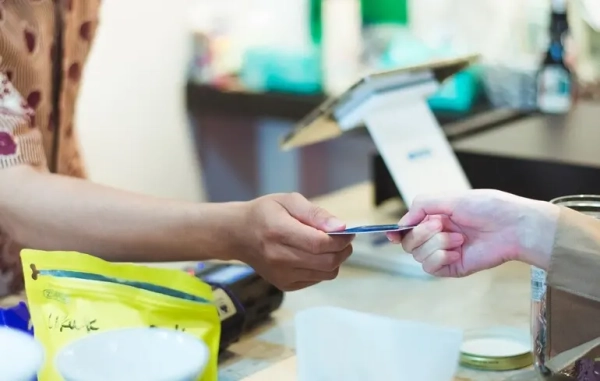
Besides the advised holding of 1,000 Swedish kronor (approximately $110) per adult, the Riksbank’s recommendations, unveiled on Wednesday, also advise Swedes to maintain bank cards from various financial institutions and utilize the local online payment platform, Swish. These represent the initial payment system directives addressed directly to the populace.
“The citizenry constitutes a vital element of Sweden’s comprehensive defense strategy and assumes a pivotal position in augmenting national readiness. Possessing diverse payment options enhances individuals’ capacity to conduct transactions amidst temporary disturbances, crises, or, in the direst scenario, warfare,” the central bank communicated.
These guidelines are yet another endeavor by Swedish authorities to ready society for the potential repercussions of a military engagement or cyber incursion, amidst heightened threats emanating from neighboring Russia and, to a smaller degree, Iran.
The administration has already disseminated a dedicated informational booklet to each residence, elucidating, inter alia, the requisite quantity of potable water to stockpile at home and the means of accessing information during a power outage.
Sweden’s payment infrastructure is deemed particularly susceptible due to its high degree of digitalization: only about one in ten transactions within the nation are executed using cash.
The Riksbank has additionally advocated for the enactment of novel regulations to safeguard the standing of physical currency; however, such statutes have not yet been instituted. It is anticipated that, by July 1, citizens will be enabled to execute offline payments via bank cards for provisions and medications in the event of system failures.
The central banking institutions of Finland and Norway, which also adjoin Russia, have previously disseminated counsel to their respective populations regarding the maintenance of cash reserves and the utilization of multiple bank cards.