
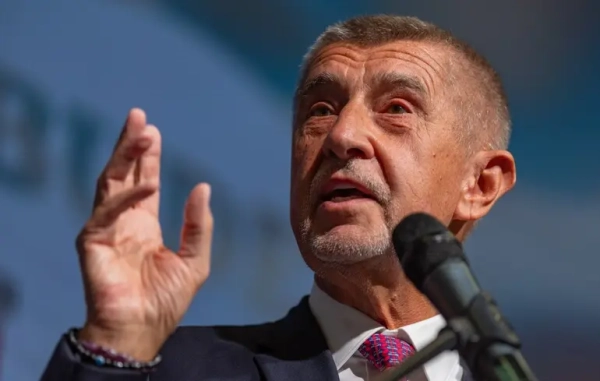
© EPA/ MARTIN DIVISEK In Europe, apprehensions regarding the detrimental effect of social networks on youngsters are growing.
Czech Premier Andrej Babis declared on Sunday his endorsement for prohibiting children younger than 15 from engaging in social media. Karel Havlicek, the Czech government’s initial deputy premier, stated that the administration is seriously evaluating the potential for a prohibition, possibly to be put into effect as soon as this year, according to Reuters.
“I back this initiative because experts I consult with assert its severe harm to children. We have a duty to safeguard our children,” Babis affirmed.
In the preceding year, Australia pioneered the ban on access to such online spaces for those under 16. An increasing number of European nations are either enacting or weighing comparable limitations on social media.
Countries including Spain, Greece, the UK, Slovenia, and France are contemplating stricter approaches towards social media engagement, driven by worries concerning its adverse consequences on children. Governments and regulatory bodies worldwide are scrutinizing the influence of screen time on the progress and psychological well-being of children.
Previously, Spain and Greece have suggested restricting children from using social media. These actions, revealed by Spanish Prime Minister Pedro Sanchez, have incurred the anger of Elon Musk, the wealthy owner of the X platform (Twitter).
As a reminder, in autumn 2025, the European Parliament urged the EU to set a minimum age of 16 for accessing social networks and other internet services, alongside prohibiting practices identified as damaging and habit-forming. Parliament passed a resolution calling for reinforced protection of minors and obligating online platforms to adhere to digital regulations.