
The government of India has prohibited the overseas shipment of nearly all kinds of rice, a dietary cornerstone for billions across Asia and Africa.
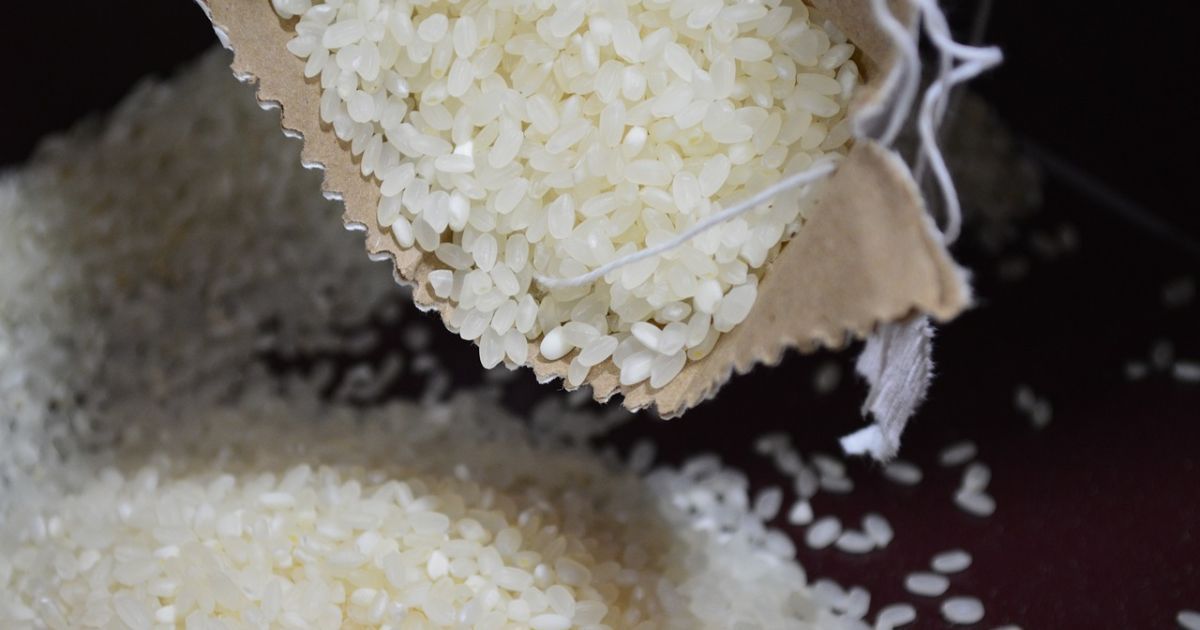
In Asian markets, the price of one of the main products – rice – is rising sharply / © pixabay.com
Following India’s limitation on the staple food’s foreign sales, rice values in Asia have escalated to their loftiest point in three years.
Bloomberg reports this.
Experts are attributing the price increases to the decision by Indian officials to halt rice exports, excluding the long-grain Basmati variety. A significant majority, around 80%, of India’s rice exports will now be subject to the restriction.
According to the Thai Rice Exporters Association, the price for the benchmark grade (Thai white rice 5%) has seen a 7% increase in two weeks, reaching $572 per tonne. This represents the highest price seen since April 2020, coinciding with the start of supply disturbances caused by the coronavirus pandemic.
Beyond the Indian ban on rice exports, the situation is further complicated by other elements, notably an extended drought in Thailand which has impacted its domestic crop.
The rapid escalation in rice prices, a fundamental food item for billions in Asia and Africa, is poised to amplify inflationary pressures in the region and escalate the expense of imported rice for purchasers globally.
It should be recalled that global grain prices could potentially rise by 15% due to Russia’s departure from the “grain agreement”.