
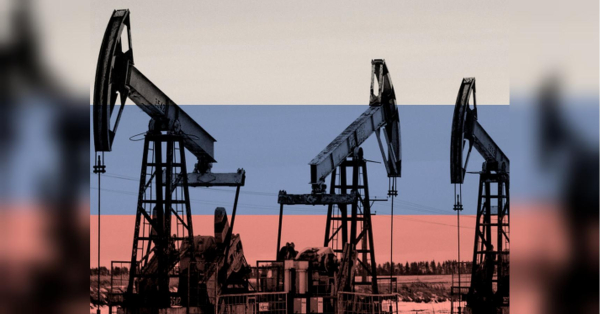
As Russia agreed to direct peace talks with Ukraine for the first time in months, during which Russian negotiators apologized for the casualties of the strikes on Odessa and the Kharkiv region, the Kremlin appears to be running out of the most powerful fuel for war: oil revenues. The price of Russian oil, the country’s main export, has fallen under pressure from rising global supplies and Western sanctions related to the war. Russia’s oil and gas revenues fell by almost a quarter last year, according to the Finance Ministry. The Kremlin is resorting to tax hikes and deficit spending to close the gap. So far, there is little sign that the economic strain and any discontent it is causing among business leaders and the public will be enough to change President Putin’s attitude toward the war. Trilateral talks involving Russia, Ukraine and the United States are set to continue in Abu Dhabi, the capital of the United Arab Emirates.
VIDEO OF THE DAY
But given the stagnation of the Russian economy and the Kremlin reaching the limit of what it can squeeze out of it, the Russian people will have to bear most of the burden of the war, the costs of which exceed about $170 billion per year.
A strong oil economy has enabled the Russian state to secure improved living standards. The Kremlin leadership hoped that this would keep the population happy even as the government eroded personal freedoms. Now, the carefully cultivated economic stability is crumbling. A sharp drop in oil revenues has sent Russia into a new era, one marked by persistent budget deficits, higher taxes, and persistent inflation. Russia’s oil industry has also been hit in recent months by new Western sanctions and the tightening of enforcement of existing ones.
In October, President Trump imposed sanctions on Russia’s two largest oil companies, Rosneft, which is state-owned, and Lukoil, which is privately owned. The sanctions have significantly undermined the companies’ ability to sell oil. Since then, Russia has also faced increased restrictions on the illegal “shadow fleet” of tankers it uses to transport oil. With the current global supply glut, buyers now have more alternatives to Russian crude. That allows them to demand much higher discounts to offset the risks associated with sanctioned products, said Sergey Vakulenko, an energy expert at the Carnegie Endowment for International Peace.
ADVERTISING
“If it weren't for this significant drop in oil prices,” he said, “all these measures would be much less effective.”
Adding to Moscow's problems, Ukraine has been using drones to attack Russian-linked tankers in the Black Sea and Mediterranean since November. The Ukrainian military has also been attacking Russian oil refineries. This has contributed to fuel shortages in several regions, forcing the government to temporarily ban the export of petroleum products, the New York Times reported.
“The only factor that can change the situation is economic pressure on Russia,” said Ukrainian President Volodymyr Zelensky. “Russia must run out of money for the war to begin to end.”
ADVERTISING
This is not the first time Putin has faced falling oil prices. But in previous years, the Russian state has had more options. It could cut spending or let the currency weaken to shore up its budget. But war spending, which accounts for about 30 percent of Russia’s $580 billion annual budget, makes it difficult to cut spending. Russia’s budget deficit is set to reach $72 billion in 2025, its highest in nominal terms since 2009.
Previously, experts named the period for how long Russia will be able to continue the war.