
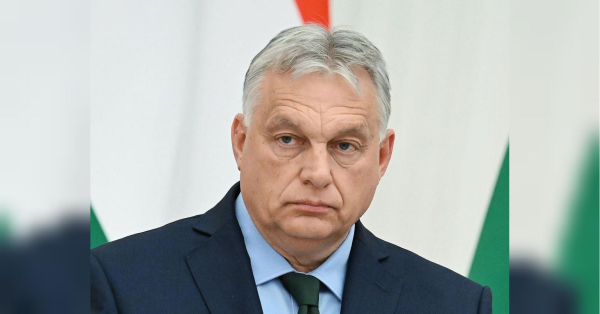
Even electoral manipulation after a decade and a half in power couldn't save Hungarian Prime Minister Viktor Orban from a crushing election defeat, Politico reports. Voters have grown increasingly weary of him and his ruling Fidesz party, which they associate with cronyism and corruption that has ruined the economy.
VIDEO OF THE DAY
But Orbán did not react to the change in popular sentiment. He stubbornly stuck to the tactics he had used in the three previous elections, portraying himself as the only person capable of protecting Hungarian interests while suggesting external threats. In this campaign, Orbán accused his opponent of dragging the country into war, while repeating his two eternal horror stories: the EU and Ukrainian President Volodymyr Zelensky. But the “geopolitical panic” no longer worked. This was an election about only daily bread.
Orbán’s misreading of the electorate helped give his rival, Péter Magyar, the upper hand. The great populist lost his grip on the people and failed to realize that he was being hurt by the same factors that have weakened strong leaders around the world: rampant corruption and cronyism, a kleptocratic ruling class, and deteriorating infrastructure. All of this helped strengthen Magyar’s position.
“You could see and feel it at the opposition rallies, where there was a palpable enthusiasm, but not at the government ones,” Orbán biographer Pal Daniel Regni told Politico.
ADVERTISING
It also meant that outside intervention by MAGA and European populists like Marine Le Pen of France, Geert Wilders of the Netherlands, and Matteo Salvini of Italy, who, like Vance, showed up in Budapest to campaign for Orbán, was simply a futile effort. As was the German support of Alice Weidel, co-leader of the far-right Alternative for Germany (AfD) party, who told Hungarians in a video message: “Europe needs Viktor Orbán.”
“Foreign interference simply didn’t matter,” said Marton Tompos, an opposition lawmaker from the centrist Momentum party, which stood aside in this election to give Magyar’s Tisza party a clear and unassailable lead over Orban. “Take Vence, for example: he is completely unknown to the Hungarian public, so thinking that his presence would make a difference was naive at best. A show of transatlantic loyalty would never change the political equation in Hungary, where the disapproval of the ruling Fidesz party revolved around the country’s internal rot.”
Perhaps the call for help from the American cavalry was not naive, but an act of desperation. Orbán had no other ideas in the fight against the Magyars.
ADVERTISING
What voters really cared about — inflation, economic hardship and corruption — remained the focus of the Magyar campaign. And they played on that well, explained expert Matyás Bodi, who analyzed local polling data from independent sociologists throughout the election campaign.
“Orbán’s defeat was caused by the cost of living, the lack of economic opportunities and the lack of jobs,” Bodi added. “The key message of Magyar was that the country simply doesn’t work. And if you look at healthcare, transportation, the education system, for ordinary people there was decline and growing dysfunction.”
Capitalizing on voter disillusionment, Péter Magyar's promises to build a “modern, European Hungary” appealed not only to young voters, but also to middle-aged people, who are an important segment of Fidesz's traditional electoral base.
While Orban campaigned on the risks of being drawn into the conflict in Ukraine and portrayed his opponent as a puppet of both Zelensky and the EU, Magyar remained unmoved, ignoring all attempts to provoke him.
ADVERTISING
Previously, well-known Ukrainian political scientist Volodymyr Fesenko shared his thoughts on the reasons for the crushing defeat of Hungarian Prime Minister Viktor Orban in the elections.