
In Abu Dhabi, trilateral discussions occurred involving delegations from the United States, Ukraine, and Russia. The American representatives are suggesting a potential agreement is near, as disagreements have been refined to “one matter.” However, Kyiv remains wary, suspecting manipulation by Moscow.
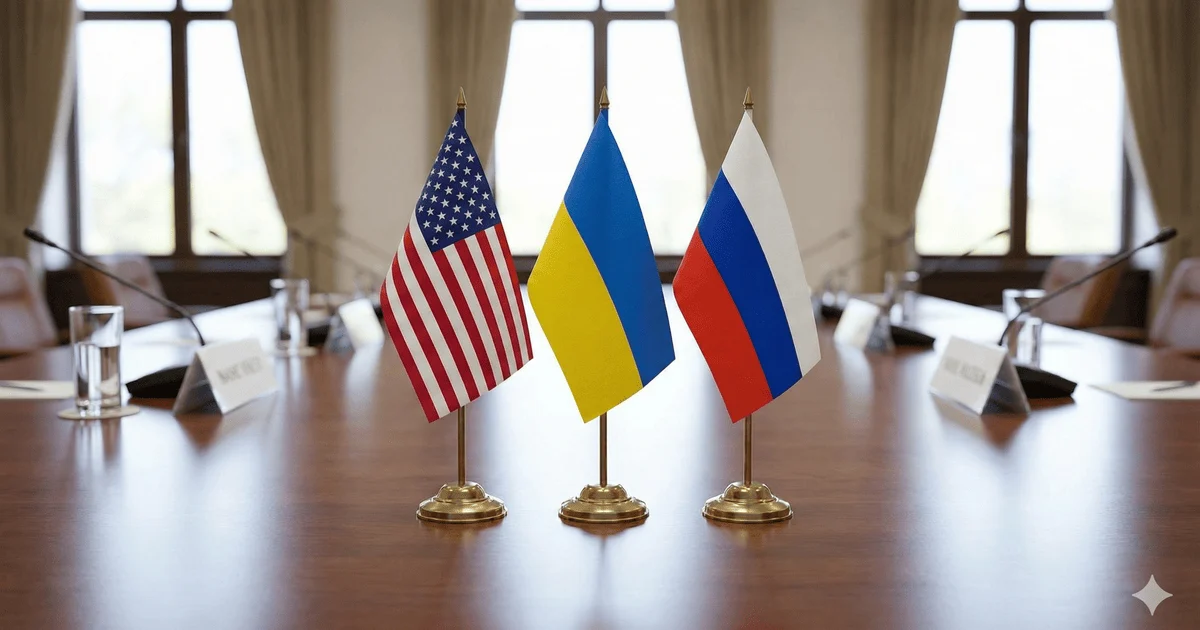
Trilateral talks in the UAE failed to resolve “one issue”
For the first occasion in almost four years of a significant conflict, Ukrainian, United States, and Russian representatives convened within the same building. The meeting in Abu Dhabi, UAE, represented an endeavor to revitalize the peace initiative, given Ukraine’s ongoing severe winter, marked by electricity disruptions.
The Week presented its assessment of the tripartite meeting’s outcomes.
Washington's optimism versus the Kremlin's appetites
Russian presidential aide Yuri Ushakov described the discussions as “substantial and open.” Similar, though restrained, optimism was voiced by US envoy Steve Witkoff.
“I believe we’ve reduced the issues to a single item, and we’ve explored options for addressing this concern. Implying it’s resolvable,” Witkoff stated.
However, underlying the diplomatic language are stark realities. According to the British publication, The Times, Russia, currently holding approximately 20% of Ukrainian land, demands complete dominance over Donbas as part of any accord. Kyiv firmly opposes this, cautioning that “ceding territory would merely embolden Moscow.”
“Deception is the default setting”
The Ukrainian perspective views these discussions as a critical juncture. BBC journalist Sarah Rainsford observes: this offers an opportunity to determine if Moscow genuinely seeks peace or is merely engaging in pretense.
Former combatant and commander, now serving as ambassador, Valeriy Zaluzhny, in an opinion piece for the New York Post, advised against trusting the Kremlin.
“Russian negotiators, mirroring their generals, aim to wear down, confuse, and fracture. Their intent is not peace but delay; not a mutual agreement but triumph via deceit,” Zaluzhny is cited by The Week.
Why now?
Modern Diplomacy highlights that the meeting’s timing is not random. Ukraine is entering the toughest phase of winter, its energy infrastructure impacted by Russian attacks. These circumstances “increase the urgency of the talks,” but concurrently heighten Kyiv’s doubts.
Besides the security aspect, separate economic dialogues are anticipated between Moscow and Washington.
“It gives the impression of prior instances: prominent meetings yielding minimal change. But this time it has a different feel. The promptness with which all sides agreed to gather indicates that all parties are contemplating a settlement,” Sky News concludes.
As a reminder, Reuters disclosed agreements between Trump and Putin concerning Ukraine. Despite the “encouraging” encounters in Davos, the positions of the participants remain fundamentally divergent.
Source: tsn.ua