
The UAE's exit from OPEC stemmed from limited backing from its allies during the confrontation with Iran. The Emirati government underscores the self-reliance of their choice, which wasn’t discussed with their regional associates.
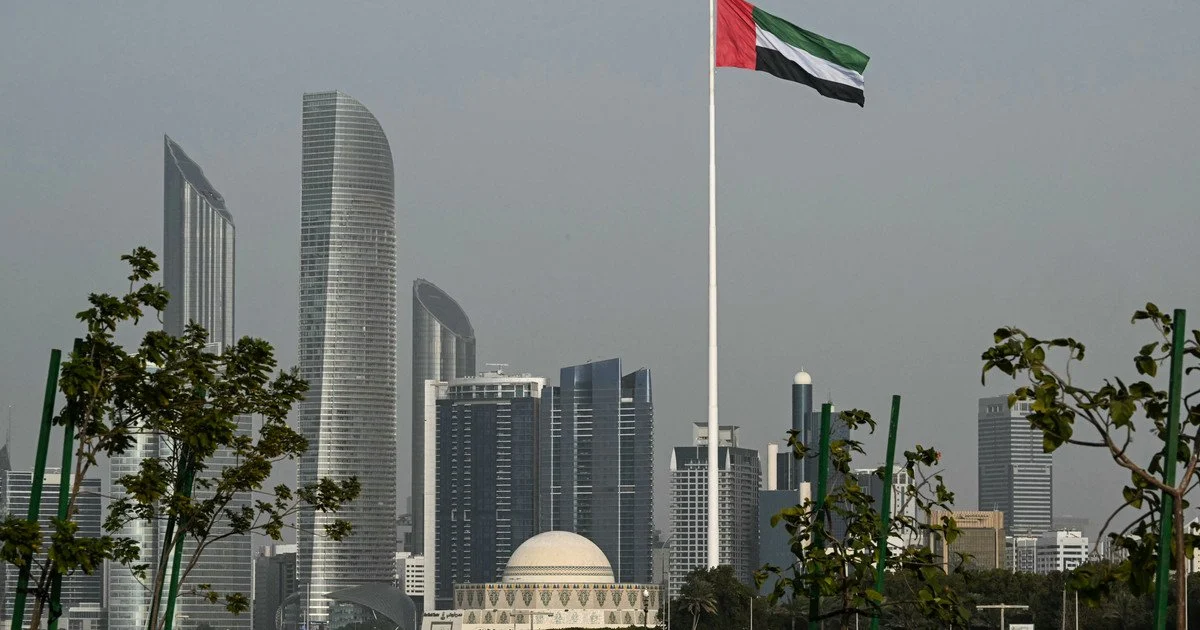
United Arab Emirates / © Getty Images
Supplemented with additional materials
The United Arab Emirates has formally declared its departure from OPEC and OPEC+, in a surprising setback for the petroleum alliance. This judgment was rendered amidst the backdrop of the hostilities with Iran and the instability in the Hormuz Strait.
Reuters reports on this matter.
On April 28, the UAE revealed its withdrawal from both OPEC and OPEC+, an event that dealt a considerable blow to the coalitions of oil-producing nations and their de facto leader, Saudi Arabia.
The exit of a nation that has historically been an OPEC member could potentially destabilize the entity and diminish its influence , given its prior attempts to preserve solidarity despite varying disagreements on topics ranging from global politics to establishing production limits.
UAE Energy Minister Suhail Mohamed al-Mazruei clarified that this determination followed a comprehensive assessment of the nation’s energy roadmap . When queried about talks with Saudi Arabia, he conveyed that the topic had not been broached with any nation.
“This constitutes a political verdict, reached subsequent to a detailed evaluation of prevailing and prospective policies concerning production levels,” the energy minister stated.
Gulf nations affiliated with OPEC are already encountering challenges in exporting oil through the Strait of Hormuz, a vital waterway between Iran and Oman that typically channels roughly one-fifth of global crude oil and liquefied natural gas, owing to threats and assaults on vessels by Iran.
The implications of the UAE's departure from OPEC
According to Mazruei, the situation within the Strait of Hormuz implies that the UAE’s action will not exert a substantial effect on the marketplace .
Simultaneously, the nation’s departure from OPEC can be construed as a political triumph for US President Donald Trump , who previously criticized the alliance, asserting that it “exploits the remainder of the world” through artificially inflating petroleum costs.
Trump also correlated US military assistance for the Gulf states with oil prices, emphasizing that despite American safeguards, OPEC members are “profiting from it by enforcing elevated prices.”
Events leading up to the UAE's secession from OPEC
The choice to depart occurred following critiques from the UAE directed at fellow Arab states, which it blamed for not offering support amidst recurrent Iranian offensives during the conflict. The Emirates serves as a noteworthy economic center in the area and a pivotal US ally.
Diplomatic Advisor to the President of the UAE, Anwar Gargash, also conveyed discontentment with the stance of partners during an address at the Gulf Influencers Forum on April 27.
“The Gulf Cooperation Council countries provided each other with logistical support, but politically and militarily, I believe their position was the weakest in history. I anticipated such a weak stance from the Arab League and I'm not surprised by it, but I didn’t expect this from the Gulf Cooperation Council and it surprised me,” Gargash expressed.
Defining OPEC and OPEC+
OPEC and OPEC+ represent international alliances of countries producing oil. Their primary aim is to manage the output of “black gold” to sway global prices and uphold market equilibrium.
OPEC is an ongoing intergovernmental association established in 1960. The alliance predominantly comprises nations from the Middle East, Africa, and South America (with Saudi Arabia as the most dominant member). Member nations concur on quotas (limits) for oil production. Should prices drop excessively, they curtail output to instigate a scarcity and escalate prices.
OPEC+ is an expanded configuration that materialized in 2016. Its emergence stemmed from OPEC’s solitary market share proving inadequate for comprehensive price control. It encompasses all OPEC countries alongside numerous other substantial oil exporters that aren’t officially part of the alliance. The largest and most crucial entity within this “plus” is Russia.
Incidentally, Iran, via Pakistan, has relayed a proposition to the US to deblock the Strait of Hormuz and terminate the naval blockade in exchange for a sustained ceasefire or a definitive conclusion to the war, Axios reports. Tehran is proposing to postpone nuclear discussions until these requisites are fulfilled owing to the deficiency of internal consensus on concessions. The White House has verified the receipt of the blueprint, stressing that it will exclusively conclude an agreement favorable to the US that will deter Iran from developing nuclear arms. Concurrently, Trump has advocated for broadening the blockade to amplify strain on Iran’s oil infrastructure.
Comments Sort: New Old Popular Submit
Source: tsn.ua