
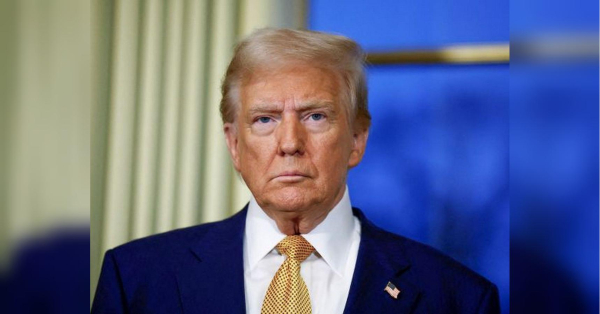
Several U.S. officials and other sources briefed on the talks told Axios that while significant progress has been made and the U.S. and Iran are now moving closer to a three-page peace plan, differences remain on critical issues. Trump , who has claimed to have spoken personally with the Iranians in recent days, is clearly optimistic.
VIDEO OF THE DAY
“The Iranians want to meet. They want to make a deal. I think the meeting will probably happen over the weekend. I think we'll reach a deal within the next day or two,” he said in a brief telephone interview.
It recently became known that one of the elements of the agreement under discussion will be the US releasing $20 billion in frozen Iranian funds in exchange for Iran giving up its enriched uranium stockpiles.
Trump said he would not lift the naval blockade until a deal is reached and stressed that he wants the Strait of Hormuz open to all.
ADVERTISING
Iran has announced it will open the strait for the remainder of the ceasefire, which ends on April 21, but details of how this will work remain unclear.
In turn, Donald Trump said that the agreement would “make Israel safe” and stressed that “Israel will come out of it great” after the war. At the same time, he made it clear that he wants Israeli strikes on Lebanon to stop as part of the announced ceasefire.
“Israel must stop. They cannot continue to blow up buildings. I will not allow this,” he said.
ADVERTISING
Some in the Israeli government oppose the deal and want to continue the wars in Iran and Lebanon, although this will likely be impossible as long as Trump is against it.
It was previously reported that despite promises, the US has again eased sanctions against Russian oil. The US Treasury Department has lifted sanctions restrictions on the purchase of Russian oil and petroleum products loaded on ships as of April 17, 2026, for a month.