
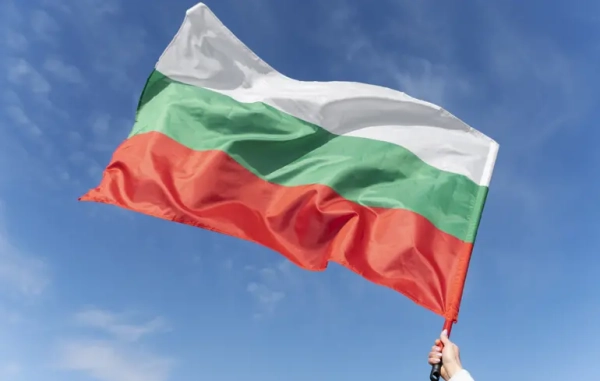
© freepik/freepik Bulgaria is commonly the target of considerable disinformation efforts, with Russia often seen as the orchestrator.
Bulgaria’s early parliamentary elections, scheduled for April 19, mark the nation’s eighth such event in the span of five years. For the European Union, this poses yet another test, which, unlike the situation in Hungary where voters ousted a longstanding pro-Moscow leader, could unfold differently. Current opinion polls suggest that Rumen Radev, the country’s former president from the Progressive Bulgaria party, known for his amicable stance toward Moscow, is currently in the lead.
As reported by Reuters on April 16, a Radev victory might reshape Bulgaria’s external policy, which has traditionally been influenced by parties aligned with Brussels. Bulgaria’s inclusion in the Eurozone occurred in January, and a security pact with Ukraine was finalized last month — steps that Radev does not endorse. This could present an initial obstacle. Furthermore, Radev is positioning himself as the sole EU leader keen to foster improved relations with Moscow, even amidst Russia’s ongoing conflict against Ukraine.
In December, the administration stepped down amidst widespread demonstrations protesting corruption and a budget featuring tax increases. Demands for overhauls intensified thereafter. It was against this backdrop that Radev emerged as a prominent figure. His Progressive Bulgaria party commands roughly 30% support, surpassing the country’s largest party, GERB, by about 10 percentage points, though still shy of a majority. Simultaneously, Progressive Bulgaria has garnered upwards of 650,000 euros in private campaign donations, constituting 67% of the total.
To counteract the dangers of overseas intervention, which have evolved into a consistent issue during European elections, the Bulgarian government has requested assistance from European diplomatic channels and has triggered a rapid response mechanism under the Digital Services Act (DSA), legislation crafted to enhance safety and accountability within the digital sphere. Radev characterized it as meddling in the election.
Russia refutes allegations of interfering in electoral processes abroad. Nonetheless, episodes of manipulation and misinformation are anticipated in Bulgaria. Disinformation analysts caution that Bulgaria has cultivated a “favorable informational setting” for anti-democratic, harmful meddling within Europe.
Svetoslav Malinov, an analyst from the Center for the Study of Democracy, shared with Euronews on April 16 that there has been a spike in disinformation across Bulgaria leading up to the elections.
“Bulgaria isn’t necessarily a typical case when discussing disinformation, as it blends prolonged political volatility, feeble regulatory bodies, and diminished public confidence with a highly robust internal network that propagates and amplifies such content,” he stated.
“Specific narratives are gaining traction, particularly those concerning the integrity of elections,” he noted. “Claims of hacking and the compromising of voting systems have triggered the passage of urgent revisions to the electoral law.”
According to the Center for the Study of Democracy, numerous Bulgarian online platforms are central to actions aimed at disseminating pro-Kremlin narratives within Bulgaria. One such self-proclaimed news source is Pogled Info, a news provider that replicates content from penalized Russian entities and Chinese state-controlled sources, including Vzglyad, RIA Novosti, Tsargrad TV, and China Radio International, all of which are under sanctions. Assertions from these publications are swiftly circulated on social media, often by accounts exhibiting a pro-Russian leaning, according to researchers.
Sunday’s elections hold significant weight for the European Union. They will ascertain whether another politically precarious nation will materialize within Brussels’ sphere, or whether Bulgaria will uphold its commitment to European democracy.
Anticipated voter participation is estimated to surpass 50%.
To reiterate, despite Bulgaria’s European Union membership since 2007, the euro transition occurred as recently as January 1, 2026, and was met with mixed sentiments by Bulgarians. Bulgaria became the 21st nation within the eurozone, marking a protracted stride toward European integration, despite enduring years of political instability and encountering a pro-Russian campaign opposing this shift.
However, what might have been an occasion to celebrate European principles has proven more contentious in this Balkan state. According to a pair of Eurobarometer polls conducted in 2025, approximately 40% of Bulgarians endorse the euro, while opposition encompasses over half of the populace.
Public wariness is partly fueled by anxieties that merchants will “round up prices” amid the currency exchange, mirroring events in other nations since the euro’s debut. The persistent absence of a steadfast government has equally undermined the formal effort to advocate for the euro.
Organizations that monitor misinformation claim that opposition to the euro’s adoption has been bolstered by a sustained campaign spearheaded by pro-Russian political factions and coordinated messaging across social media platforms.