
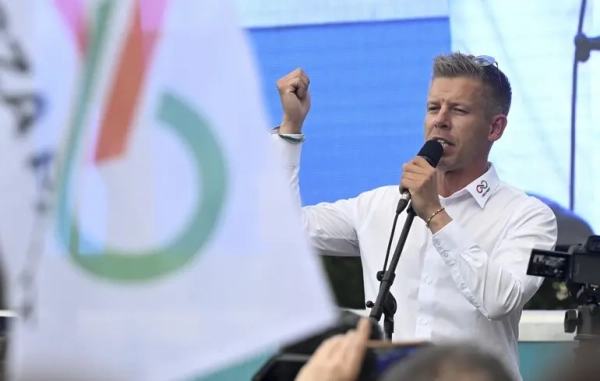
 © EPA/ Szilard Koszticsak The electoral outcome presents a chance for a national revival in Hungary, while simultaneously calling for an overhaul within the EU.
The system devised by Hungarian Prime Minister Viktor Orban was so convoluted that only an overwhelming electoral loss could topple it. Hungarian citizens effected just that. Now, translating these outcomes into tangible transformation necessitates actions from leaders both in Budapest and Brussels .
Péter Magyar’s Tysa faction managed to secure the identical constitutional majority that Orbán utilized to reshape state institutions, including the judiciary, cultivate a pro-government media sphere, and install loyalists in regulatory agencies. Such a significant majority will empower the incoming administration to undo Orbán’s antidemocratic measures.
The hurdle will be reinstating the autonomy of institutions. Equally challenging will be regaining investor assurance in Hungary’s economy. The nation consistently holds the lowest rank in Europe regarding perceived corruption, and European Union investigators have repeatedly highlighted the misappropriation of funds, compelling the EU to freeze billions of euros in funding for Hungary. Orbán’s interventionist strategies, spanning from nationalizations to sector-specific levies, have discouraged investment.
The devastation is considerable. Feeble economic advancement and elevated inflation have instigated a reduction in real incomes. The standard of public services has declined due to insufficient investment. The demographic downturn has been intensified by emigration, particularly among young professionals. An economic framework predicated on export-driven production has been unable to guarantee advancements in productivity and innovation.
The EU’s response to Magyar’s triumph will shape the scope of action for the upcoming Hungarian prime minister. In the period leading up to the election, Orban initiated a spending spree that had depleted a substantial portion of the annual budget by the close of March. Hungary’s government is urgently seeking approximately 17 billion euros ($20 billion) in EU funds that have been suspended owing to apprehensions about the rule of law. Hungary is also awaiting endorsement for an additional 17 billion euros in EU loans designated for defense expenditures. That affords the EU influence over funds that constitute roughly 15 percent of the nation’s GDP.
European leaders can assist in directing the new Hungarian government’s reform endeavor by linking funding to demonstrable advancement on several pivotal benchmarks—chiefly in the domains of judicial independence, anti-corruption measures, transparency in public procurement, and audit oversight. For his part, Magyar can garner favor by rescinding his veto on an EU loan for Ukraine.
The EU could also leverage the Magyar victory to expedite its own protracted reform agenda. Orbán has retained power in Hungary for 16 years partly because he has drawn attention to genuine issues, including economic volatility and immigration, that have not simply vanished. Orbán’s critiques of the EU as sluggish, technocratic, and inefficient have resonated with the populace, because all too often they have proven true. Bureaucracy and the requirement for unanimity in key decisions have substituted security and competitiveness for the convenience of consensus for many years.
Other autocratic figures, such as those in Slovakia, may be highly inclined to “replace” Orbán. Whether they succeed in doing so will hinge, in part, on the EU’s capacity to generate economic prosperity and security.
Other EU nations, including France, Spain, Italy and Poland, will conduct elections in the coming year that will mold the direction of the EU for the years ahead. The Hungarian election provides a chance for a domestic transformation, but it should also stimulate a European transformation, Bloomberg observes.
Does the triumph of the “Tysa” opposition party and its leader, Peter Magyar, assure an improvement in relations between Hungary and Ukraine? In the article “ How Putin Lost His Hungarian “Mouse”: What Orban's Defeat Means for Ukraine and Europe, ” Peter Gerasimenko analyzed the reasons for Orban’s defeat and its implications for Kyiv and Brussels.