
The United States and Iran have brought to a close another set of discussions in Pakistan, with involved parties characterizing the tone as favorable, despite pronounced disparities.
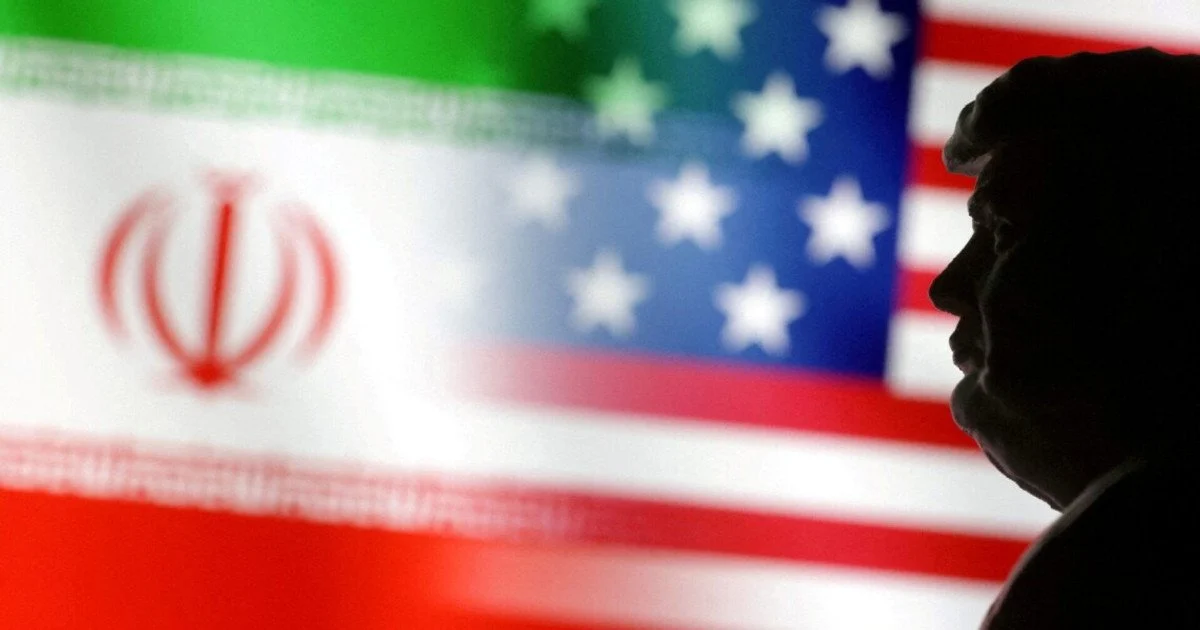
Flags of the USA and Iran / © Getty Images
A further series of face-to-face conversations between the US and Iran, described by participants as productive, has wrapped up in Islamabad, the Pakistani capital.
According to press reports, attendees highlighted a “positive sentiment” throughout the gathering, even though significant disagreements remain unresolved.
This pertains particularly to the matter of security within the Hormuz Strait, an area of vital strategic significance for global petroleum supplies. This aspect continues to represent one of the most challenging points within the talks.
Notwithstanding this, both sides consented to continue their exchange and conduct upcoming rounds of deliberations. These discussions are unfolding amidst a worsening environment in the Middle East and the existing conflict.
Previously, US President Donald Trump indicated that Washington was engaging in “very intense negotiations” with Iran, but underscored that the result of these agreements was not critical for the United States.
These ongoing exchanges between Washington and Tehran are an infrequent instance of direct engagement in recent times, perhaps signaling an attempt by both nations to discover a diplomatic resolution to the crisis.
War in the Middle East — latest news
The Islamabad dialogues occurred against the backdrop of strong declarations from the US president. Donald Trump proclaimed the utter obliteration of Iran's army, navy, and air power the previous day. He asserted that Tehran's military command had been eliminated and the Hormuz Strait would soon be accessible to global commerce.
Despite such pronouncements from Washington, experts observe that Tehran is approaching the negotiations with considerable assurance. Analysts point out that the element of time works to Iran's advantage, given that the blockade of the strait impacts global energy costs. Simultaneously, an overly firm stance could backfire on Iran itself, as its economy urgently requires the easing of sanctions following a month of exhausting combat and substantial destruction of infrastructure.