
European gas prices have jumped 35% following impacts on the planet’s biggest LNG factory, as traders respond to the possibility of a drawn-out supply deficit.
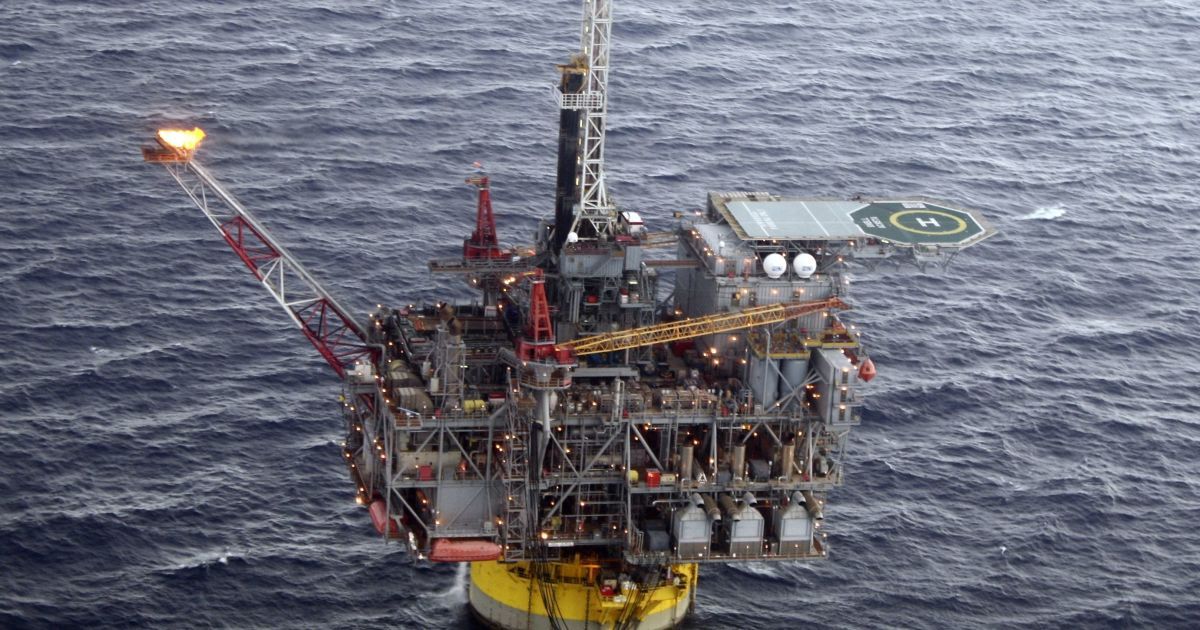
Gas prices in Europe jumped 35% after Iran strikes / © Associated Press
The cost of natural gas in Europe has risen sharply after Iranian missiles impacted a primary global center for manufacturing liquefied natural gas. Gas futures saw a 35% increase on Thursday, per market figures, and now exceed twice their pre-war values.
This is according to a Bloomberg report.
The strike targeted an industrial site in Ras Laffan, Qatar, the globe’s most significant hub for LNG production and export. QatarEnergy noted substantial infrastructure damage, conflagrations, and a partial shutdown of output.
Deliveries from this hub, responsible for roughly 20% of global liquefied gas trade, were already affected by the conflict; the recent strikes have only aggravated conditions.
Specialists caution that the effects could be extensive. They predict that restoration might span months or even years, creating deficiencies on the global stage.
Extra weight is added by the situation in Europe: post-winter, gas stockpiles are unusually low, and nations must aggressively purchase LNG, competing with Asian markets for constrained resources.
The event also briefly paused gas treatment centers in Abu Dhabi after fragments of a rocket fell there.
US President Donald Trump affirmed that Washington is prepared to act if energy infrastructure in the area faces further attacks.
Experts highlight that even after conflict subsides, the gas market may remain volatile due to widespread damage and supply interruptions.
Strikes on essential gas installations in Iran and Qatar – facts
The increase in tensions in the Middle East has had a direct impact on worldwide energy. On March 18, Iran stated that the United States and Israel had assaulted South Pars, the world’s biggest gas field.
This area is vitally important for the territory: Iran shares it with Qatar, and its capability furnishes a sizeable part of gas resources, notably for Turkey. By 2025, production attained a peak of 730 million cubic meters daily.
Subsequently, Tehran essentially broadened its selection of targets and proclaimed its intention to strike at Persian Gulf countries’ energy plants. Following this, Iran launched projectile impacts on the industrial city of Ras Laffan in Qatar, the largest worldwide center for producing liquefied natural gas (LNG).
The strikes triggered extensive blazes and significant damage to the installation. The location was struck anew less than a day afterward, further worsening the circumstances.
Ras Laffan represents a key energy center for Qatar and provides a considerable fraction of the planet’s LNG supply. Any obstacle to its activities immediately impacts the global marketplace.
After the strikes, Qatar gave a strong response, declaring the ejection of Iranian diplomats and denouncing Tehran’s operations as a threat to public safety.