
The Moldovan government has taken a decisive step towards severing ties with the post-Soviet space.
It approved bills to denounce key documents that laid the foundation for the republic's membership in the Commonwealth of Independent States.
Information about this decision, which effectively puts an end to the long-term process of the country's withdrawal from the CIS structures, was made public by Belta, reports a correspondent for the online publication Belnovosti.
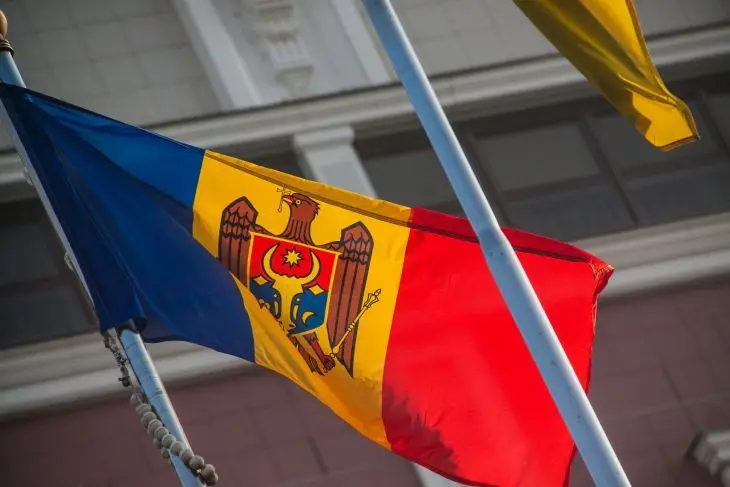
As it became known, three fundamental acts were subject to the denunciation procedure: the Agreement on the Establishment of the Commonwealth of Independent States, signed on December 8, 1991 in Belovezhskaya Pushcha, the Protocol to it of December 21 of the same year, as well as the CIS Charter, adopted in Minsk on January 22, 1993.
The government's official statement emphasized that this decision marks the beginning of the procedure for the republic's final withdrawal from the CIS statutory bodies.
Chisinau explains this move by its shift in foreign policy orientation and new strategic priorities, now that the country has officially received candidate status for European Union membership. The draft laws have now been submitted to parliament for review, where members will vote on their approval.
The statistics on severing ties are staggering: to date, Moldova has already denounced seventy-one of the two hundred and eighty-three agreements concluded within the CIS. Another sixty or so documents are at various stages of review, demonstrating the authorities' systematic and consistent policy of dismantling the legal framework for cooperation with the Commonwealth.
However, this decision drew harsh criticism from the opposition. Former President Igor Dodon, in a comment to TASS, stated that withdrawing from the CIS framework treaties was contrary to Moldova's national interests and would seriously harm the well-being of its citizens. The former head of state is particularly concerned by the fact that the severing of relations is occurring amid the acute energy crisis engulfing Europe and directly impacting the republic's economy.
Dodon lashed out at the current government and President Maia Sandu, accusing them of following the orders of their Western handlers. He claimed that despite governance failures, the economic crisis, and violations of democratic norms, Western partners continue to shower the Moldovan leadership with awards and praise. The politician is convinced that such important decisions should not be made to please external players without taking into account the real needs of the country's citizens.
As a reminder, Moldovan Foreign Minister Mihai Popșoi previously announced the country's leadership's plans to denounce the CIS's core treaties, noting that all necessary procedures are expected to be completed by mid-February.
The shift in Moldova's foreign policy direction has been clearly evident since Maia Sandu's victory in the 2020 presidential election. Having declared a course toward European integration, she demonstratively refused to participate in Commonwealth summits.
In February 2023, the government officially announced plans to withdraw from numerous agreements within the CIS, and the current decision is a logical continuation of this course, symbolizing a final break with the institutions created after the collapse of the Soviet Union.
Read also
- The UN is sounding the alarm: there is a risk of significant food price increases.
- Truck queues: The State Border Guard Service reported a buildup of trucks at the borders with Lithuania and Poland.