
No topic generates as much controversy as the construction of the Egyptian pyramids.
Some are convinced of the wonders of ancient technologies, while others seek rational explanations.
For decades, archaeologists have defended the theory that thousands of workers manually moved the stone blocks. But there is a method that seems much simpler and yet irritates official science.
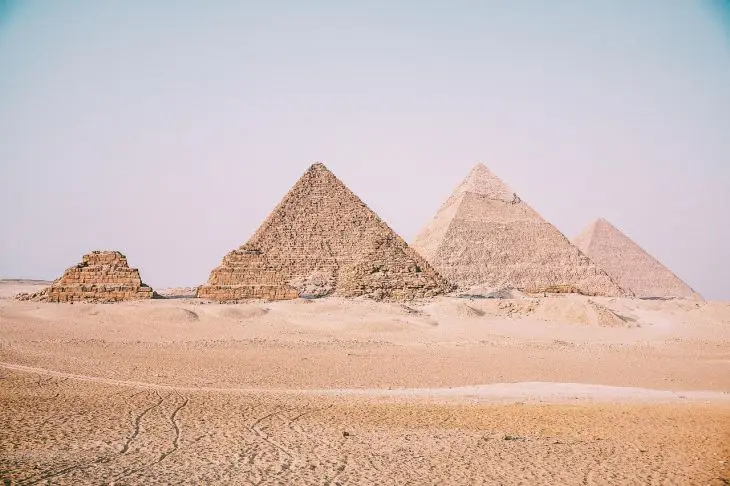
The hypothesis is that water and sand are used to facilitate the transportation of stones, reports a Belnovosti correspondent.
Research has shown that wet sand reduces friction and makes it much easier to move heavy loads.
Laboratory experiments confirmed that pouring water on the sand reduces the drag force by almost half. This means the blocks could have been moved by smaller groups of people without complex mechanisms.
Official Egyptologists are reluctant to acknowledge this method. The reason is simple: it undermines the traditional image of grandiose construction armies and complex engineering systems.
But the facts are stubborn: images on tomb walls depict scenes of workers watering sand before transporting it. This is not fantasy, but real evidence of an ancient practice.
Skeptics object that this method doesn't explain how the blocks were raised to such heights. However, proponents of the method point out that inclined ramps were used for this purpose, a fact confirmed by archaeological finds.
The combination of ramps and moistened sand seems far more logical than theories about secret technologies. It doesn't require any fantastical assumptions and fits within the limits of available resources.
The scientific community often resists simple solutions. But it is precisely simplicity that makes a hypothesis compelling and understandable.
Historians note that the Egyptians were masters of exploiting natural resources. The Nile's waters provided them not only with life but also with technological advantages.
If we adopt this method, the pyramids cease to be a mystery. They become the result of a practical approach and observation.
For the modern reader, this sounds almost disappointing. After all, the myth of “incomprehensible construction” has fueled the imagination for too long.
But it is precisely the rejection of myths that makes history honest. And honesty in science is always more valuable than sensationalism.
The pyramids remain the greatest monument to human perseverance. And the simpler the explanation for their construction, the greater the respect for their ancient builders.
Read also
- For which zodiac signs will 2026 be a lucky year?
- Which sign is at risk of major expenses: financial forecast for 2026