
The end of Russia's war against Ukraine is still not in sight. The frequency of high-level meetings between representatives of Ukraine, the United States and Europe in recent weeks, as well as periodic exchanges of views between the United States and the Russian Federation, has not changed this reality. There is no ceasefire, military support from Europe and the United States has not been confirmed, and, most importantly, Russia does not want the war to end. The latest talks in Paris were able to unite 35 countries in a “coalition of the willing”. However, the outcome remains unclear.
VIDEO OF THE DAY
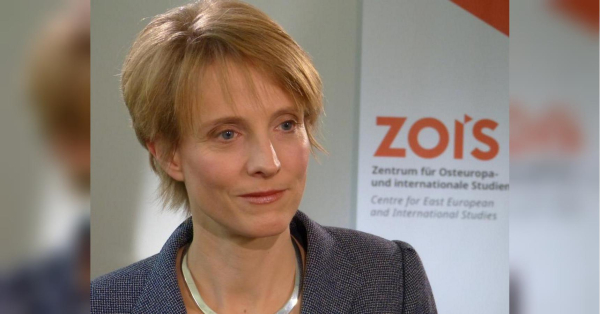
An actual ceasefire or peace talks have not yet begun. This will require active participation from Ukraine and Russia, as well as a willingness to compromise on both sides. So far, only Ukraine has declared such a readiness. During these talks, Russia has continued and intensified its attacks on Ukraine, in particular targeting vital energy infrastructure, thereby increasing the physical and psychological pressure on the civilian population during the cold winter months, says Gwendolyn Sasse, a German political scientist and director of the Center for East European and International Studies, The Guardian reports.
As part of the multinational force, the United Kingdom and France have again stated their readiness to deploy troops in Ukraine after the ceasefire is implemented – as a military backup mechanism in case of a violation of the regime. German Chancellor Friedrich Merz spoke for the first time about the possible participation of German troops in ensuring the ceasefire. He added that they could only be deployed in NATO countries bordering Ukraine, and that any such decision would require the approval of the German parliament. In doing so, he made a number of assumptions that still need to be verified, including the willingness of Central and Eastern European states to accept German troops.
The link between European and other forces, the Ukrainian army, and U.S. involvement is crucial to ensuring Ukraine’s security. The Trump administration’s past experience does not inspire much confidence in the long-term commitment to any agreement on this link.
ADVERTISING
But the key issue remains the same as it has throughout 2025: there is no apparent political will on Russia’s part to engage in serious negotiations. President Putin believes that time is on his side and feels emboldened by direct talks with Trump and his transaction-oriented administration.
While the term “coalition of the willing” is unfortunate, as it brings back memories of the US intervention in Iraq, it clearly signals that we have entered a period of ad hoc relations between states, outside the boundaries of existing international institutions and law. Whether and how the war in Ukraine ends will be crucial to this new path, the politician believes.
Previously, “FACTS” wrote that Zelenskyy put forward a condition to the US and Europe as part of Trump's peace initiative.
ADVERTISING