
An unearthed burial ground in Central Africa challenges established beliefs about Stone Age ceremonial practices.
Archeology
In Malawi, central Africa, archaeologists have unearthed what is considered the most ancient funeral pyre on the continent. Approximately 9,500 years ago, a band of hunter-gatherers conducted an elaborate cremation ceremony for a mature female, representing the earliest known evidence of this sort of custom in the area.
This information is detailed in research published on the Yale University website by a global assembly of researchers.
The digs were conducted at the base of Mount Hora, a granite elevation utilized as a burial location across numerous millennia. Nevertheless, one discovery particularly stood out. The investigators encountered a stratum of residue containing fragmented human remains.
Researchers employed contemporary methods of microscopic assessment and bioarchaeology to piece together the sequence of events. It became clear that this was not an accidental conflagration, but an intentional rite.
Examination of the osseous material indicated that the incinerated person was a petite female, likely between 18 and 60 years old. Her corpse was incinerated soon after passing at an extremely elevated temperature exceeding 500°C. A minimum of 30 kilograms of timber and vegetation were employed to sustain the blaze, which necessitated substantial effort from the group.
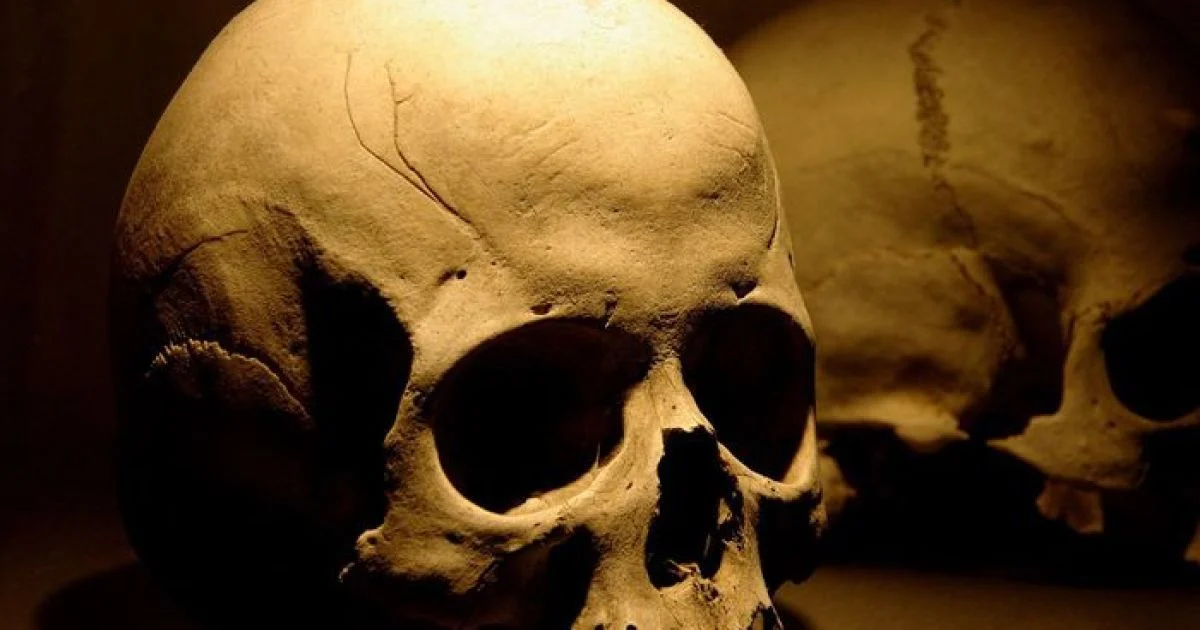
The primary enigma centered on the absence of specific skeletal components.
“Remarkably, remains of teeth or cranial bones were absent from the pyre. Given that these elements typically endure the cremation process, we posit that the head may have been detached prior to combustion,” noted Elizabeth Sawchuk, a contributing author of the study.
Significance of the Discovery
It had been previously assumed that hunter-gatherer societies did not engage in such resource-intensive ceremonies. However, this find compels a reassessment of our perception of the social dynamics of early humans.
Experts propose the woman occupied a notable position within her society, as other interred individuals in the vicinity were not subjected to comparable handling. Implements crafted from stone were additionally located amidst the ashes, potentially serving as funerary offerings.
As a reminder, we previously reported that in Norway , an unusual inhumation of a woman was uncovered within a field, featuring scallop shells arranged near her mouth.
Source: tsn.ua